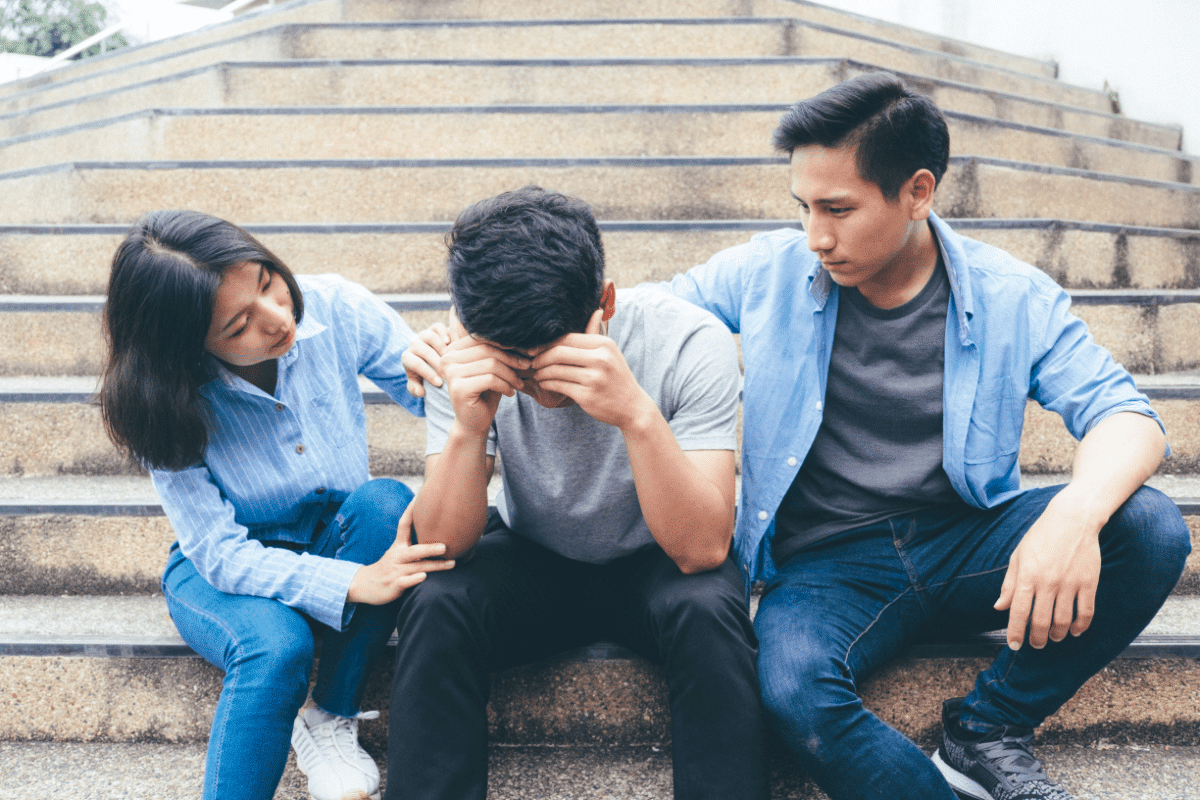

Parenting a teenager comes with new challenges that often feel unfamiliar and even daunting. As children move into adolescence, their desire for independence grows, and peers begin to play a much larger role in shaping their thoughts, behaviors, and self-image. Many parents find themselves wondering: How does peer pressure affect teens? Gaining clarity around this question can help parents respond with compassion and provide meaningful guidance during a time when teens are especially influenced by the world around them.
Whether or not you suspect your teenager is using drugs, it’s important to talk to them about drugs. Contact Beachside Teen Treatment Center today to find a mental health program for teens.
How Does Peer Pressure Affect Teens?
Peer pressure affects teens because adolescence is a developmental stage where social belonging feels essential. Teens are forming their identities, and acceptance from peers can feel like validation of who they are. This makes them more sensitive to opinions, trends, and expectations within their social circles. Peer influence can affect everyday choices, such as how teens dress or speak, as well as more serious decisions involving academics, relationships, or risky behaviors.
While peer pressure is often viewed negatively, its impact depends on the situation and the teen’s coping skills. Teens who feel uncertain about themselves may go along with others to avoid rejection or judgment, even if it conflicts with their values. Unfortunately, this can lead to stress, anxiety, lowered self-esteem, or a sense of losing control over their own decisions.
Common Types of Peer Pressure
Peer pressure generally falls into two main categories: direct and indirect. Direct peer pressure is the most recognizable form and involves explicit encouragement or coercion, such as friends daring a teen to break rules or try substances. This type can feel particularly intense because it places teens in the moment, forcing them to choose between fitting in and standing their ground. Indirect peer pressure, while subtler, can be just as powerful. Teens may feel pressure simply by observing what their peers do or which behaviors receive attention, approval, or popularity. Even without anyone saying anything directly, teens may feel compelled to change how they act, dress, or think to match what they believe is cool. Specific examples of peer pressure may include but are not limited to:
- Friends daring a teen to try alcohol, vape, or drugs
- Being encouraged to skip school, cheat, or break household rules
- Feeling pressure to dress, speak, or act a certain way to fit in
- Seeing peers gain popularity online for risky or inappropriate behavior
- Feeling excluded for choosing not to participate in group activities
- Being pushed into relationships or behaviors before feeling ready
Can Peer Pressure Be Positive?
Peer pressure is not always harmful and can sometimes support healthy growth. Positive peer influence occurs when friends encourage responsible choices. This may include focusing on school, participating in sports, or avoiding dangerous behaviors. Teens are often more motivated when encouragement comes from peers they admire or trust.
Positive peer pressure can also help teens develop social skills, confidence, and a sense of accountability. Being part of a supportive peer group can reinforce healthy values and provide emotional support during stressful times. Parents can help promote positive influence by encouraging involvement in structured activities where teens are likely to meet peers with similar goals.
Signs My Teen Is Struggling With Peer Pressure
Behavioral changes are often the first signs that peer pressure is becoming overwhelming. Parents may notice sudden secrecy, changes in friend groups, declining grades, or a loss of interest in activities their teen once enjoyed. Teens may also become more defiant or, conversely, unusually withdrawn at home.
Emotional and physical signs can include increased anxiety, irritability, sadness, changes in sleep or appetite, or constant worry about fitting in. Furthermore, some teens may express fear of disappointing friends or seem overly focused on approval. When these signs persist, it may indicate that peer pressure is negatively affecting their mental and emotional health.
How to Help My Teen With Peer Pressure
Supporting your teen in navigating peer pressure starts with creating a home environment rooted in trust, open communication, and emotional safety. Teens are more likely to give in to peer influence when they fear judgment, rejection, or harsh consequences at home. Instead of focusing solely on controlling their choices, shift toward strengthening your relationship so your teen feels confident coming to you when they feel pressured or unsure. Here are some practical ways to help your teen handle peer pressure:
- Stay calm and avoid overreacting: Strong emotional reactions can make teens shut down or hide struggles. A calm response keeps communication open.
- Validate their feelings: Acknowledge that peer pressure is real and difficult. Feeling understood makes teens more receptive to guidance.
- Model healthy decision-making: Show how you set boundaries, handle disagreements, and stay true to your values in social situations.
- Have conversations, not lectures: Ask open-ended questions about their friends and experiences rather than delivering warnings or ultimatums.
- Teach refusal skills: Help your teen practice simple, confident ways to say no without feeling embarrassed or aggressive.
- Reinforce self-worth: Emphasize that their value does not depend on popularity or approval from others.
- Encourage positive peer environments: Support involvement in activities where teens can connect with peers who share healthy interests.
- Seek professional support when needed: Teen mental health programs can help adolescents build confidence, manage stress, and strengthen coping skills when peer pressure feels overwhelming.
Find Support for Teens in California
If peer pressure is affecting your teen’s mental health, behavior, or sense of self, professional support can make a meaningful difference. Beachside Teen is proud to offer therapeutic services for adolescents aged 12-18. Reaching out for help early can allow your teen to feel understood, empowered, and better equipped to handle peer pressure now and in the future. Get started today by giving us a call or visiting our admissions page.