Adolescence is filled with new responsibilities, changing relationships, academic pressure, and emotional ups and downs. While occasional stress is a normal part of growing up, many teens struggle to slow down long enough to recognize and process what they are feeling. Mindfulness offers a simple yet powerful way for adolescents to become more aware of their thoughts, emotions, and surroundings without immediately reacting to them. Whether practiced at home, in school, or as part of professional treatment, mindfulness activities for teens can help them build healthy coping skills that benefit both their mental and emotional well-being.
Learn more about the teen-focused programs we offer or verify your insurance now!
What Is Mindfulness?
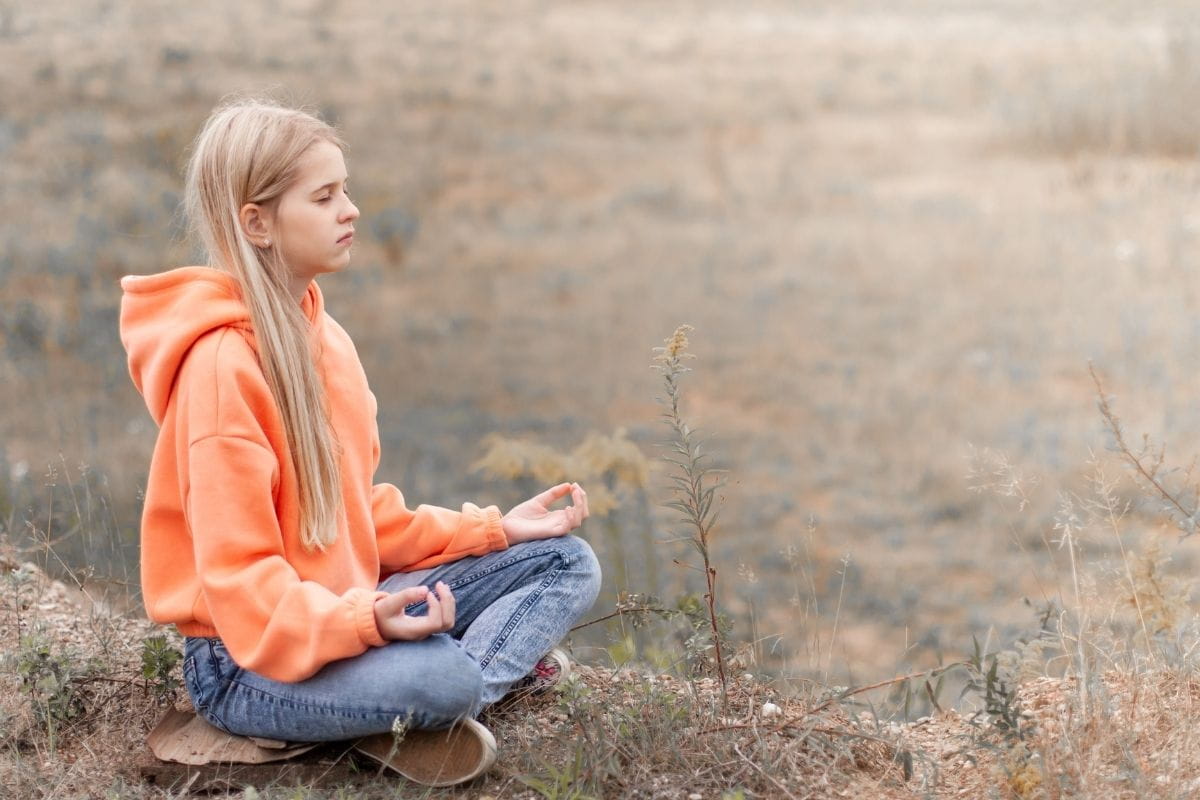
Mindfulness is the practice of paying attention to the present moment with openness and curiosity rather than judgment. Instead of worrying about the future or dwelling on past experiences, it encourages individuals to focus on what they are thinking, feeling, and experiencing right now. For teens, mindfulness can take many forms, including breathing exercises, guided meditation, movement, journaling, creative activities, or simply becoming more aware of everyday experiences. With consistent practice, these techniques can strengthen emotional awareness, improve self-regulation, and help adolescents respond to life’s challenges in healthier, more thoughtful ways.
Why Is Mindfulness Important for Teens?
The teenage years are a period of significant emotional and neurological development. During this time, teens are learning how to regulate emotions, solve problems, build relationships, and manage increasing responsibilities. Mindfulness helps strengthen many of these skills by encouraging greater self-awareness and intentional decision-making.
According to the National Institutes of Health (NIH), mindfulness practices may help reduce stress, improve emotional regulation, increase attention, promote healthier sleep, and decrease symptoms of anxiety and depression. Rather than eliminating difficult emotions, mindfulness teaches teens how to acknowledge those emotions without becoming overwhelmed by them.
Ten Mindfulness Activities for Teens
Mindfulness does not have to involve sitting quietly for long periods of time. Many teens respond best to activities that are engaging, creative, and easily incorporated into their daily routines. Some ideas are highlighted below.
Deep Breathing Exercises
Practicing slow, controlled breathing helps calm the nervous system and reduce feelings of stress or anxiety. It can also give teens a simple strategy to use during stressful situations at school, home, or in social settings.
Guided Meditation
Listening to guided mindfulness recordings teaches teens how to focus attention while developing relaxation skills. Regular practice can improve concentration while making it easier to manage overwhelming thoughts.
Mindful Walking
Taking a quiet walk while noticing sounds, sights, smells, and physical sensations encourages present-moment awareness. Spending time outdoors can also help teens feel more relaxed and mentally refreshed.
Journaling
Writing about thoughts and emotions helps teens better understand their experiences and identify emotional patterns. Ultimately, journaling can increase self-awareness and encourage healthier emotional expression.
Body Scan Meditation
A body scan encourages teens to slowly notice physical sensations throughout the body, promoting relaxation and self-awareness. This practice can also help adolescents recognize physical signs of stress before they become overwhelming.
Mindful Coloring or Drawing
Creative activities allow adolescents to focus on the present while expressing emotions in a healthy way. These activities can be especially helpful for teens who find it difficult to put their feelings into words. We offer art therapy to offer teens an alternative outlet.
Yoga
Combining movement with breathing exercises helps improve both physical relaxation and emotional regulation. Regular practice may also improve flexibility, balance, and overall stress management.
Gratitude Practice
Writing down a few things they appreciate each day helps teens shift attention toward positive experiences without ignoring life’s challenges. This habit can encourage a more balanced perspective during difficult moments.
Mindful Eating
Paying close attention to flavors, textures, and physical hunger cues encourages awareness and intentionality. It can also help teens develop a healthier relationship with food by reducing distracted or emotional eating.
Nature Observation
Spending time outdoors while intentionally noticing the environment can reduce stress and encourage a greater sense of calm.
Group Mindfulness Activities for Teens
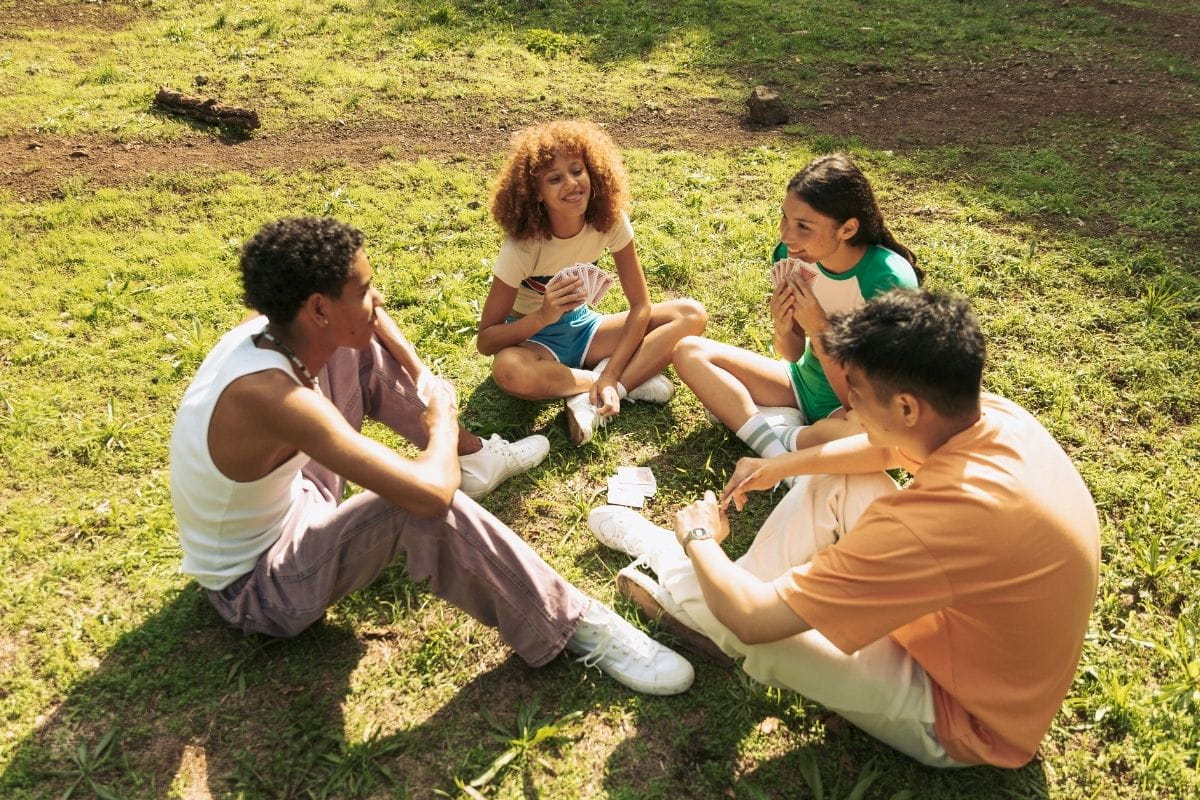
Practicing mindfulness with peers can make these exercises feel more engaging while helping teens develop communication and social skills. Group mindfulness activities also encourage adolescents to recognize that they are not alone in their experiences.
Examples of group mindfulness activities include guided meditation sessions, breathing exercises, mindful movement classes, gratitude circles, collaborative art projects, journaling discussions, yoga, outdoor mindfulness walks, sensory awareness exercises, and relaxation groups. Participating in these activities together can foster connection while helping teens build confidence in using mindfulness during everyday situations.
Complementary Therapies for Teens
Mindfulness is most effective when combined with comprehensive mental health treatment that addresses each teen’s unique emotional, behavioral, and developmental needs. At Beachside Teen, treatment plans may include a variety of evidence-based and experiential therapies designed to promote lasting emotional wellness.
Therapeutic services include:
- Behavioral Therapy
- Cognitive Behavioral Therapy (CBT)
- Dialectical Behavior Therapy (DBT)
- Psychodynamic Therapy
- Equine Therapy
- Interpersonal Therapy
- Group Therapy
- Family Therapy
- Expressive Therapy
- Psychiatric Care
- Outdoor Therapy
- Surf Therapy
Does My Teen Need Mental Health Treatment?
While mindfulness can be a valuable tool for managing everyday stress, it may not be enough when a teen is experiencing significant mental health or behavioral challenges. If your child is struggling with persistent anxiety, depression, trauma, mood changes, school avoidance, substance use, emotional outbursts, self-harm, or ongoing behavioral concerns, a comprehensive behavioral health evaluation may be beneficial.
Residential treatment provides a structured, supportive environment where adolescents receive individualized care from a multidisciplinary clinical team. At Beachside Teen, treatment plans are tailored to each teen’s needs and may include evidence-based therapies, psychiatric care, family involvement, experiential therapies, and mindfulness practices that support emotional wellness. Teens can also participate in a therapeutic education program, allowing them to continue making academic progress while receiving the mental health treatment they need. This integrated approach helps adolescents build healthier coping skills, improve emotional regulation, strengthen family relationships, and prepare for a successful transition back home.
Find Adolescent Programs in California
Every teenager deserves the opportunity to develop the emotional tools needed to navigate life’s challenges with confidence and resilience. At Beachside Teen, we provide personalized treatment for adolescents experiencing emotional, behavioral, and substance use concerns. Through individualized treatment plans, clinically grounded therapies, family involvement, experiential programming, mindfulness practices, and therapeutic education, our team helps teens develop healthier coping skills while supporting lasting emotional growth.
Give us a call at (888) 254-0916 or verify your insurance today to get started.